REGENERACION URBANA Y AMBIENTAL DEL EJE CÍVICO CENTRAL DE BENICARLÓ
Autores:IBAM ARQUITECTURA S.L Antonio Jaime Ibáñez Masip (Arquitecte) Fernando Arnau Paltor (Dr. Arquitecte), Xevi Arnau Paltor (Arquitecte)amb PLANIFICA INGENIEROS.
Emplazamiento: Eix Cívic Central Benicarló
La intervención sobre el espacio público trasciende la dimensión técnica o constructiva. No se trata únicamente de transformar calles, renovar pavimentos o plantar árboles, sino de crear espacios que generen bienestar, identidad y nuevas formas de relacionarse.
Cuando tienes la oportunidad de intervenir en el espacio urbano de tu propia ciudad, la responsabilidad es aún mayor. La pregunta que nos planteábamos era qué ciudad queremos para las generaciones presentes y futuras.
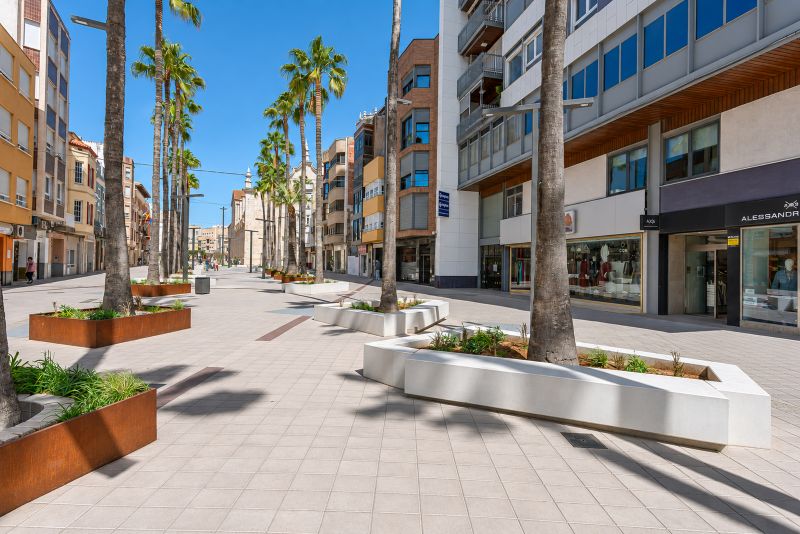
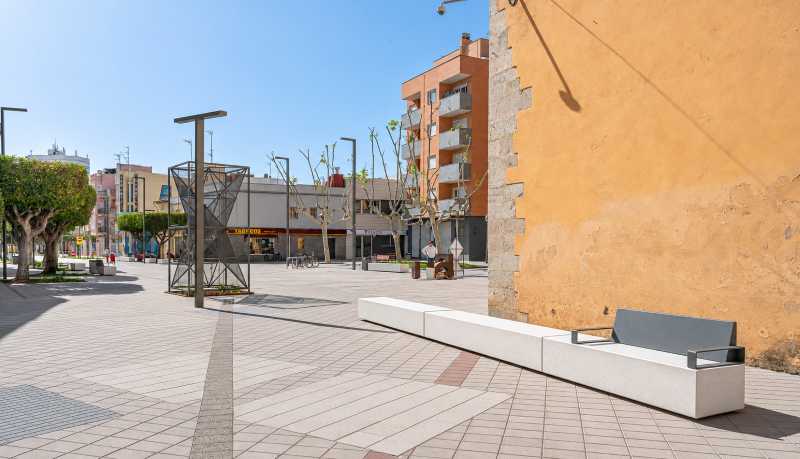
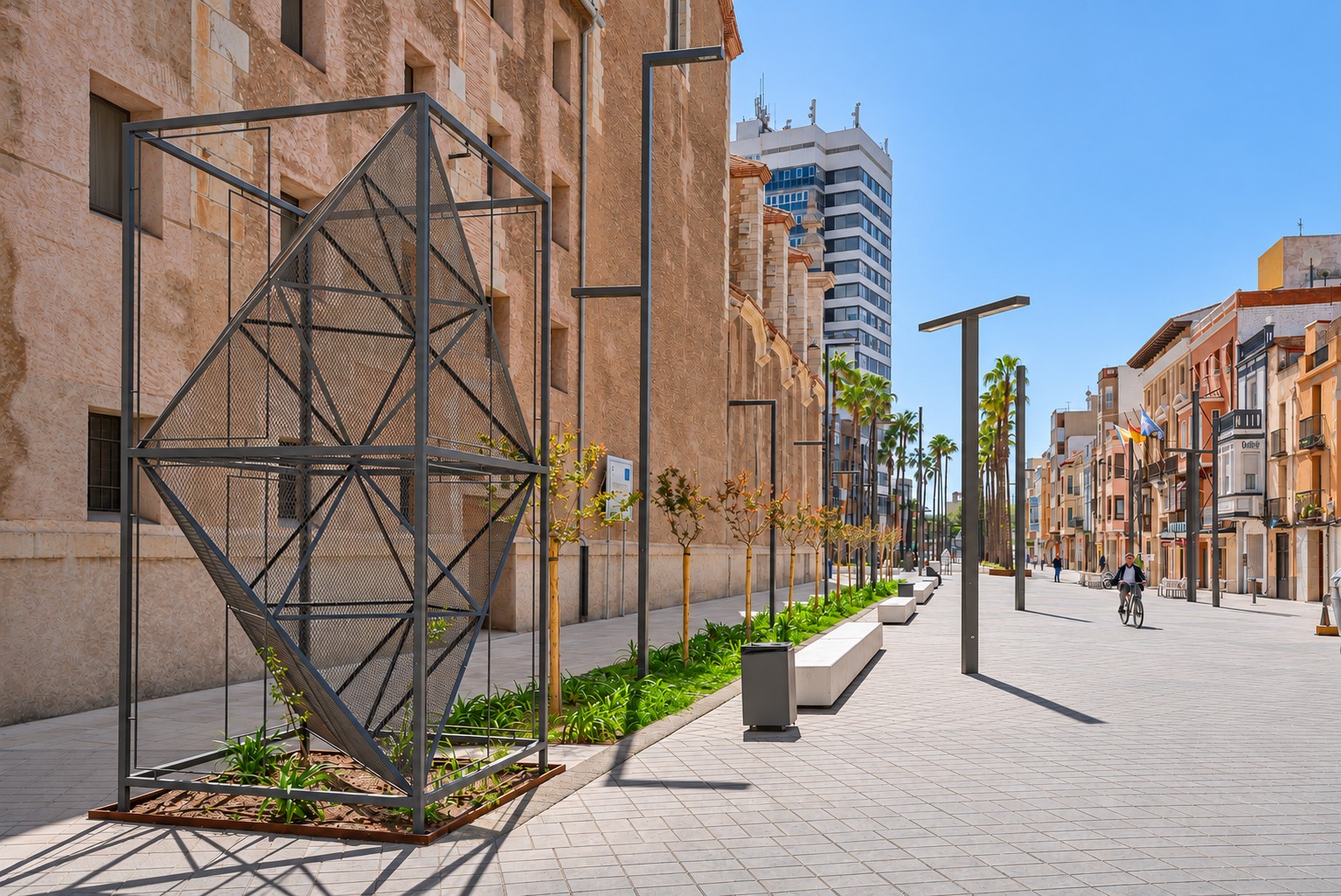
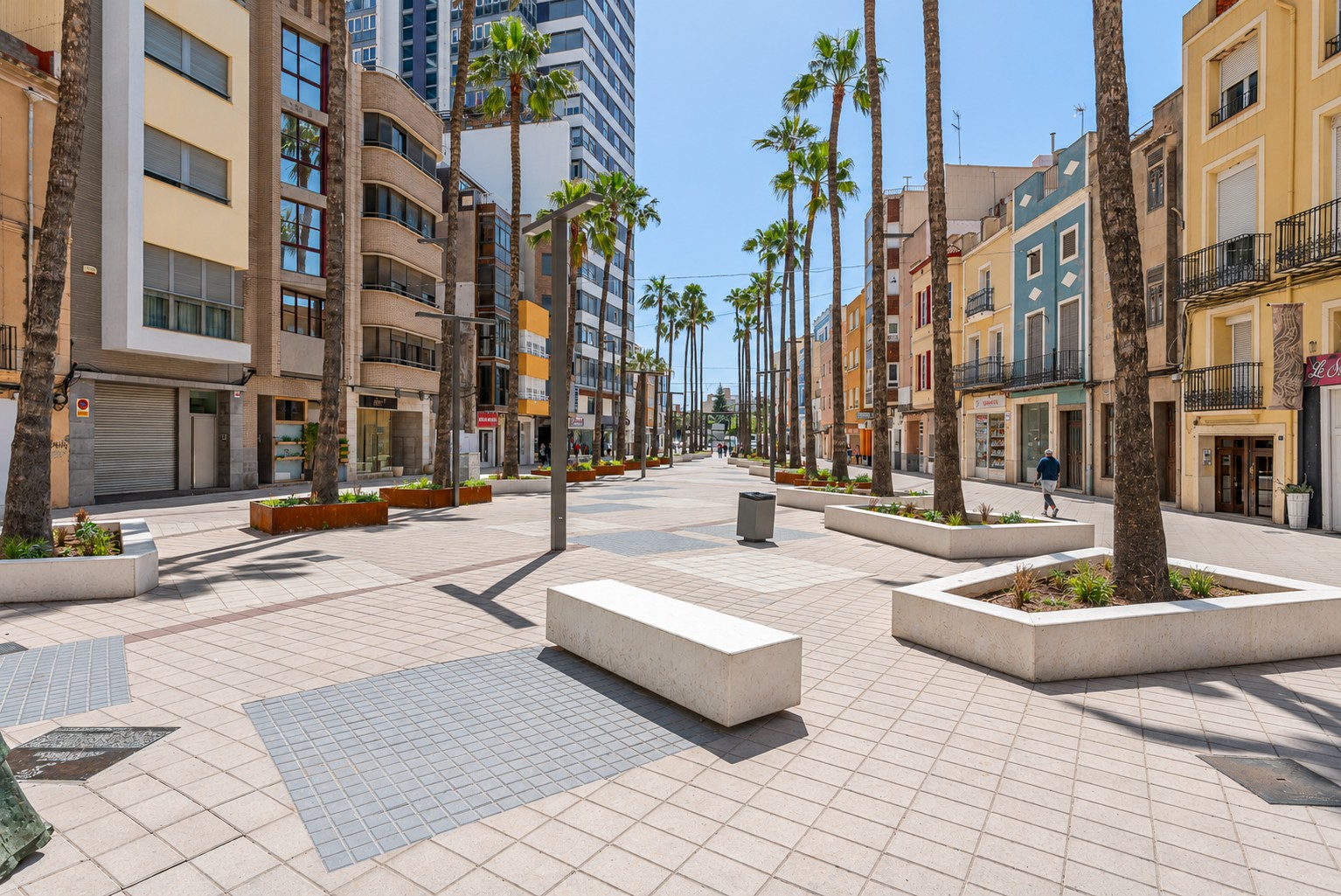
La recuperación del Eje Cívico para los peatones responde a esta reflexión: construir un entorno más amable, accesible y sostenible, capaz de favorecer la convivencia y la integración social.
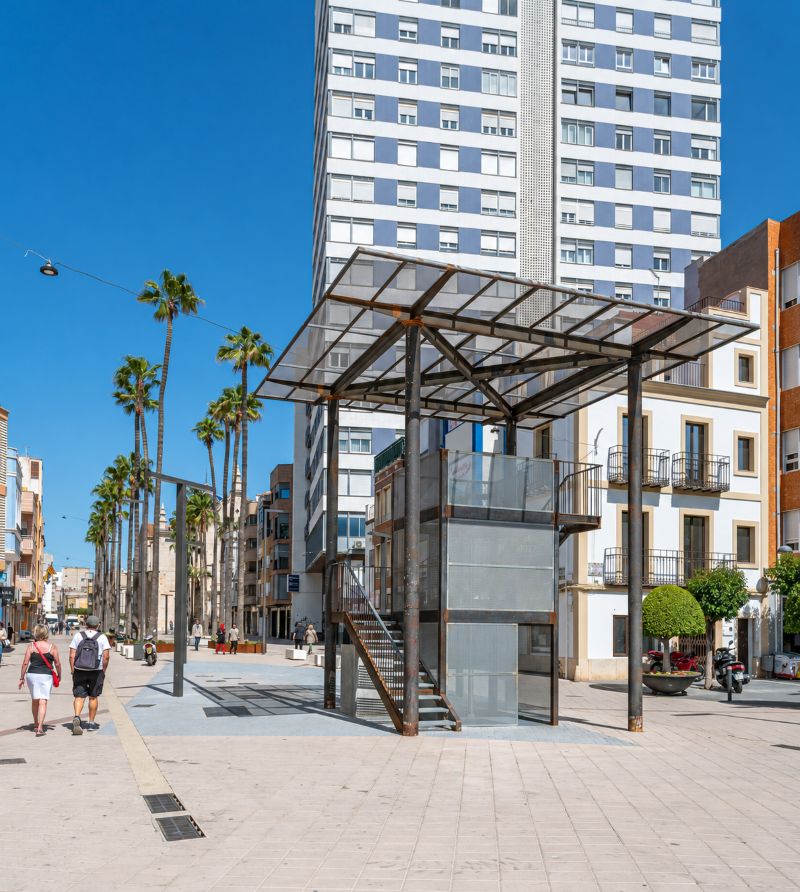
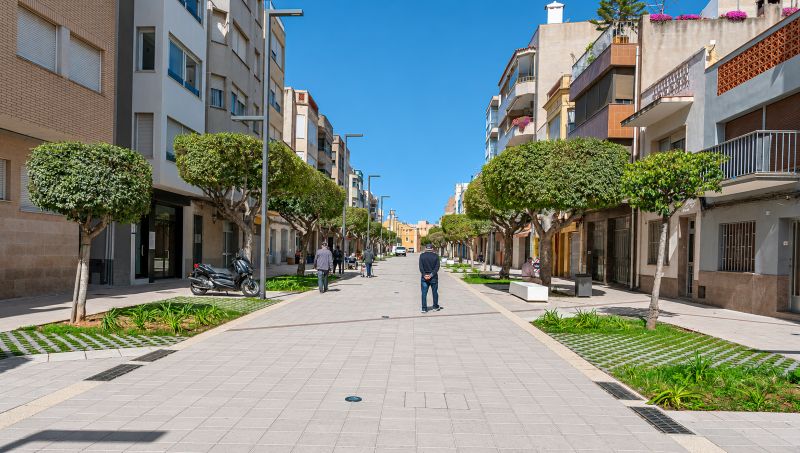
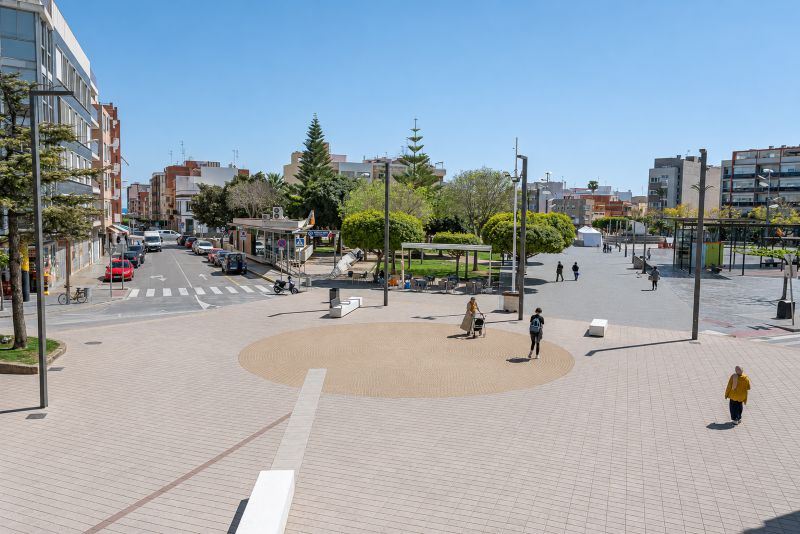
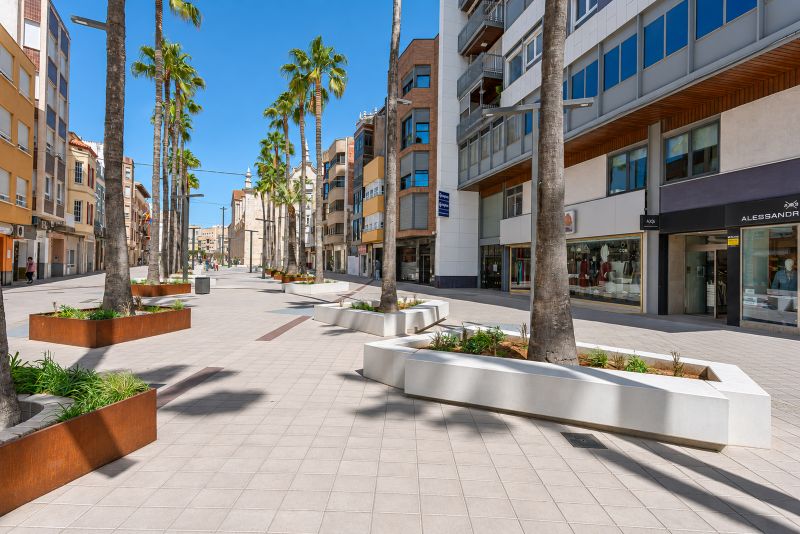
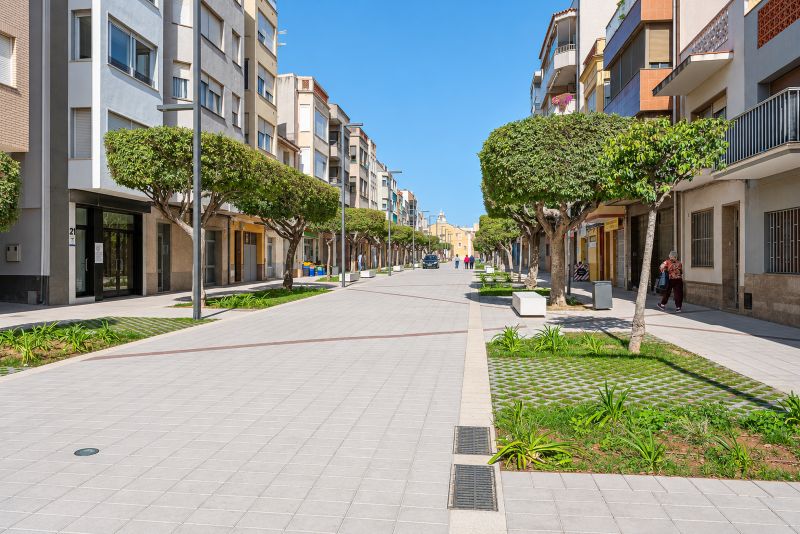
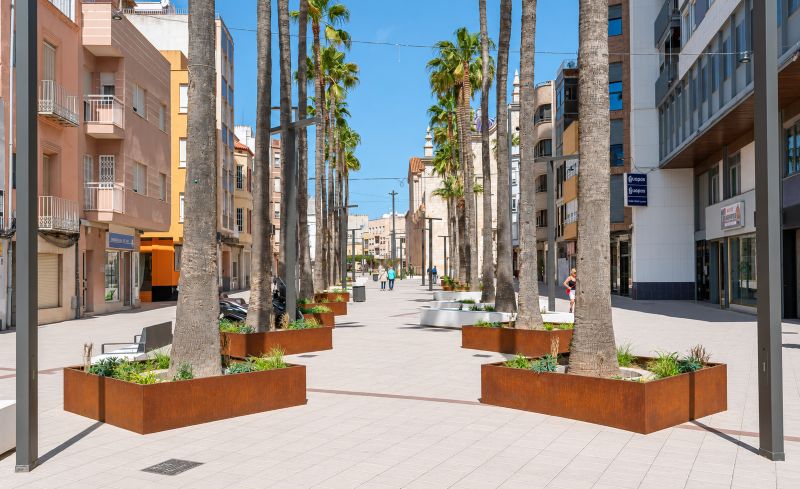
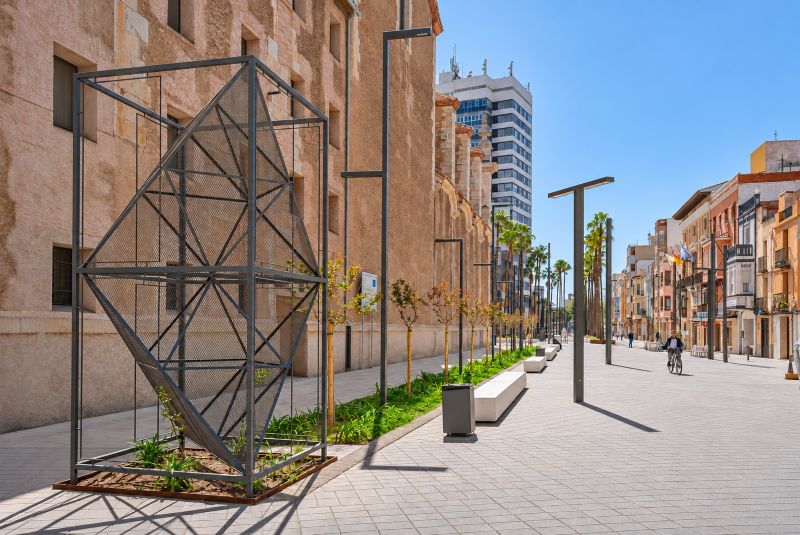
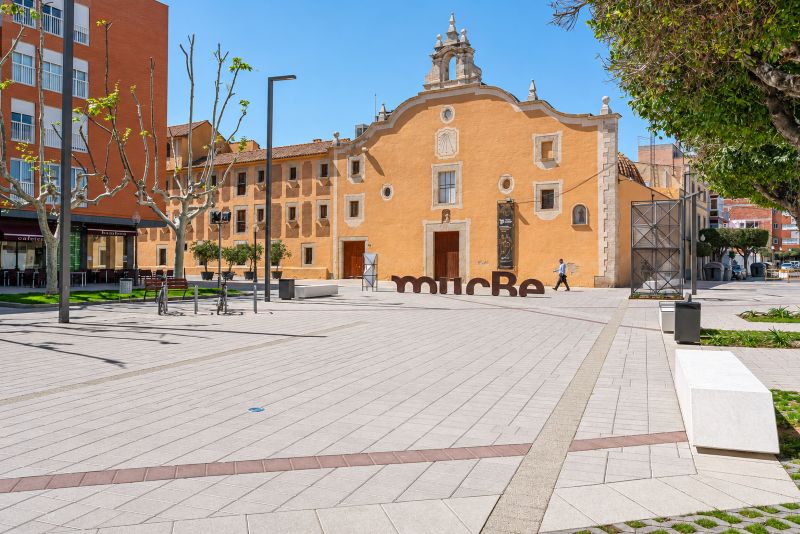
Los principales objetivos fueron consolidar el centro urbano como espacio de actividad institucional, social y económica, conectar los barrios, eliminar barreras y mejorar la movilidad sostenible. Para ello, se ampliaron los espacios peatonales, se incorporó arbolado, se adecuaron vías de servicio, se instalaron pavimentos drenantes y fotocatalíticos y se implantó un alumbrado eficiente y sostenible.
Hoy, el Eje Cívico se ha convertido en una arteria fundamental de la ciudad y en escenario de sus principales celebraciones populares: Fallas, Navidad y la Fiesta de la Alcachofa y otras muchas.
El espacio podrá cambiar con el tiempo, pero permanecerán la ilusión, la sensibilidad y el compromiso con los que fue concebido. Y la satisfacción de poder decir: objetivo conseguido, construir un espacio mejor para vivir y compartir nuestra ciudad.
REGENERACIÓ URBANA I AMBIENTAL DE L’EIX CÍVIC CENTRAL DE BENICARLÓ
Autors del projecte: IBAM ARQUITECTURA S.L Antonio Jaime Ibáñez Masip (Arquitecte). Fernando Arnau Paltor (Dr. Arquitecte), Xevi Arnau Paltor (Arquitecte)amb PLANIFICA INGENIEROS.
Emplaçament: Eix Cívic Central de Benicarló
La intervenció sobre l’espai públic transcendeix la dimensió tècnica o constructiva. No es tracta únicament de transformar carrers, renovar paviments o plantar arbres, sinó de crear espais que generen benestar, identitat i noves formes de relacionar-se.
Quan tens l’oportunitat d’intervindre en l’espai urbà de la teua pròpia ciutat, la responsabilitat és encara major. La pregunta que ens plantejàvem era quina ciutat volem per a les generacions presents i futures.
La recuperació de l’Eix Cívic per als vianants respon a aquesta reflexió: construir un entorn més amable, accessible i sostenible, capaç d’afavorir la convivència i la integració social.
Els principals objectius van ser consolidar el centre urbà com a espai d’activitat institucional, social i econòmica, connectar els barris, eliminar barreres i millorar la mobilitat sostenible.er a aconseguir-ho, es van ampliar els espais per als vianants, es va incorporar arbrat, es van adequar vies de servei, es van instal·lar paviments drenants i fotocatalítics i es va implantar un enllumenat eficient i sostenible.
Avui, l’Eix Cívic s’ha convertit en una artèria fonamental de la ciutat i en escenari de les seues principals celebracions populars: Falles, Nadal , la Festa de la Carxofa i altres
L’espai podrà canviar amb el temps, però romandran la il·lusió, la sensibilitat i el compromís amb què va ser concebut. I la satisfacció de poder dir: objectiu aconseguit, construir un espai millor per a viure i compartir la nostra ciutat.
URBAN AND ENVIRONMENTAL REGENERATION OF BENICARLÓ’S CENTRAL CIVIC AXIS
Project authors: IBAM ARQUITECTURA S.L. Antonio Jaime Ibáñez Masip (Architect)Fernando Arnau Paltor (PhD Architect), Xevi Arnau Paltor (Architect) in collaboration with PLANIFICA INGENIEROS.
Location: Benicarló Central Civic Axis
Interventions in public spaces go beyond their purely technical or construction-related dimension. They are not simply about transforming streets, renewing pavements or planting trees, but about creating spaces that promote well-being, identity and new ways of connecting.
When you have the opportunity to shape the urban environment of your own city, the responsibility is even greater. The question we asked ourselves was what kind of city we want for present and future generations.
The pedestrianisation and regeneration of the Civic Axis responds to this reflection: creating a more welcoming, accessible and sustainable environment that encourages social interaction and integration.
The main objectives were to consolidate the city centre as a hub for institutional, social and economic activities, connect neighbourhoods, remove barriers and improve sustainable mobility.
To achieve this, pedestrian areas were expanded, trees were planted, service roads were adapted, permeable and photocatalytic pavements were installed, and efficient, sustainable street lighting was introduced.
Today, the Civic Axis has become a key artery of the city and a setting for its main public celebrations: Fallas, Christmas and the Artichoke Festival, among others.
The space may evolve, but the enthusiasm, sensitivity and commitment with which it was conceived will remain. Along with the satisfaction of being able to say: mission accomplished — creating a better space in which to live and share our city.